
Epoxy is one of the most versatile materials used in construction and repair projects. It is a type of adhesive that can bond different materials such as metal, wood, glass, stone, and even plastic. Due to high strength and durability, epoxy is widely used garage area, industrial flooring, and countertops. In many cases, pool owners also use epoxy deck coatings to protect their pool decks from wear and tear.
What Is an Epoxy Pool Deck Coating?
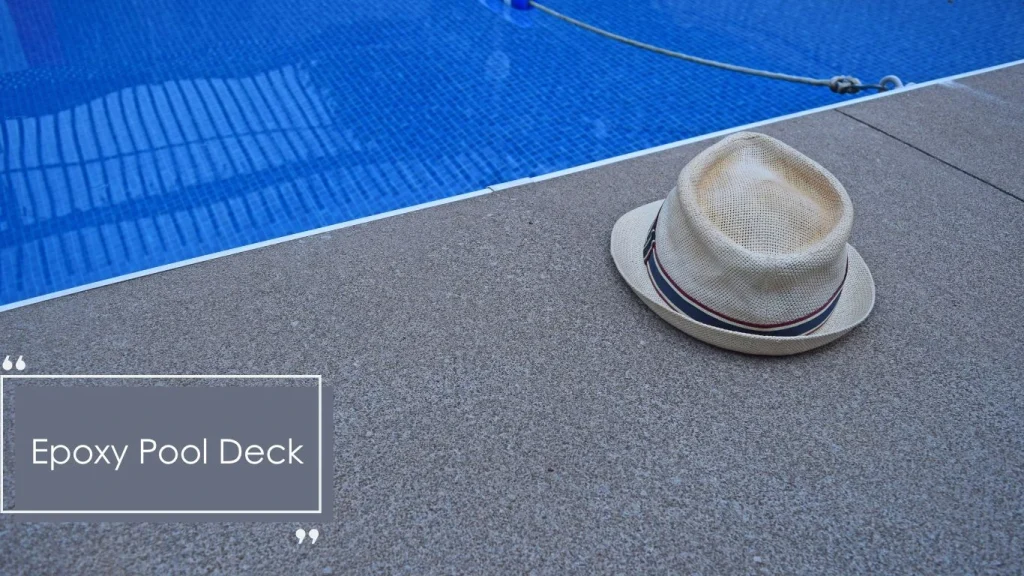
Epoxy are the form of thermoset polymer that create a chemical reaction when mixed with a hardening agent. The resulting material is extremely strong, durable and resistant to chemicals and moisture. When applied to concrete, epoxy creates a smooth, seamless surface that is easy to clean and maintain. This makes it an ideal coating for pool decks, which are constantly exposed to water and chemicals.
Pros:
- Durability: Epoxy pool deck coatings are incredibly durable and can withstand heavy foot traffic, patio furniture, and even harsh weather conditions.
- Chemical resistance: The chemical makeup of epoxy makes it resistant to chlorine, saltwater, and other chemicals commonly found in pools. This means that your pool deck will not be damaged or discolored by these substances.
- Easy maintenance: Epoxy is a low-maintenance option for pool decks as it creates a non-porous surface that is easy to clean with just soap and water. This also prevents the growth of algae and mildew. Additionally, epoxy is UV resistant, so it won’t fade or yellow over time.
- Aesthetically pleasing: Epoxy pool decks come in a variety of colors and designs, allowing for customization to match your personal style. It can also be combined with other decorative elements such as stamped concrete or exposed aggregate for a unique and visually appealing look.
- Quick installation: Compared to other pool deck materials, epoxy can be applied and cured quickly, minimizing the disruption to your pool usage. This is especially beneficial if you have a busy household or are hosting events around your pool.
- Cost-effective: While the initial cost of installing an epoxy pool deck may be higher than traditional materials such as concrete or pavers, its long-term durability and low maintenance needs make it a cost-effective choice in the long run. It also eliminates the need for frequent repairs or replacements, saving you money over time. You can apply the coating yourself but any errors can be costly to fix, so it is recommended to hire a professional for best results.
- Safe and slip-resistant: Epoxy coatings can be customized with anti-slip additives, making them safe and slip-resistant even when wet. This is especially important for homes with children or elderly residents who may be at a higher risk of slipping and falling.
- Easy to clean: Maintaining an epoxy pool deck is simple and easy. Regular sweeping or hosing down with water is usually sufficient in keeping it clean. For tougher stains or dirt buildup, a mild detergent can be used followed by rinsing with water.
Cons:
- Initial cost: The initial cost of installing an epoxy pool deck may be higher compared to other materials such as concrete or pavers. However, the long-term benefits and savings on maintenance make it a worthwhile investment.
- Slippery when wet: If you have a pool deck, chances are it will get wet. Epoxy coatings can be slippery when wet, which may present a safety hazard for children and elderly individuals. To avoid this, make sure to add non-slip additives or use textured epoxy coatings.
- Become hotter under the sun: As with any dark colored surface, epoxy pool decks can absorb and retain heat from the sun. This may make it uncomfortable to walk on during hot summer days. To address this issue, consider using lighter colors or adding a reflective topcoat to reduce heat absorption.
- Cracks with the substrate: Epoxy coatings are not able to fill or repair existing cracks in the substrate. In fact, any existing cracks may still be visible after the epoxy coating is applied. It is important to properly prepare and repair any cracks before applying epoxy to ensure a smooth and durable finish.
- Limited design options: While epoxy coatings can create a sleek and modern look, they may not offer as many design options compared to other materials such as stone or tile. However, there are ways to incorporate patterns and designs into an epoxy pool deck through the use of stencils or incorporating different colors for a unique look.
How Long Does Epoxy Last In A Pool?
Epoxy decks can endure for many years with proper care. When the epoxy coating is applied correctly and the surface is regularly cleaned and sealed, it can endure for up to 10 years before needing replacement.
To achieve optimal longevity, it is important to follow the manufacturer’s instructions for application and maintenance. With proper care, epoxy pool decks can provide an attractive and long-lasting finish to any pool area.
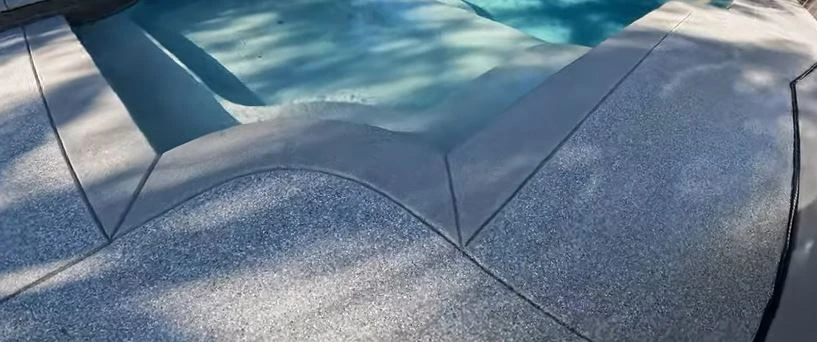
Meanwhile, some epoxy coatings are specifically designed for waterproofing, making them ideal for areas that are constantly exposed to water, such as swimming pools, bathrooms and basements.
What Type of Epoxy is best for Pool Deck?
When deciding on the material to use for your pool deck, the epoxy is the best choice. It is durable, low maintenance and provides decorative options. Various types of epoxy are available in different pool deck applications, depending on the look you hope to achieve. Some of the epoxy types available for pool deck applications are:
Pebble:

Pebble epoxy pool decks are made from small stones or pebbles mixed with an epoxy resin, creating a visually appealing, mottled look that is slip-resistant. The stones provide durability, allowing the pool deck to withstand harsh environmental conditions.
Flake:
Epoxy flakes are a popular choice for pool decks as they offer an attractive and slip-resistant surface. The flakes, which are mixed with colored coatings, provide a durable finish that will not scratch or dent easily. Although the installation costs may be higher than other pool deck materials, the long lifespan and low maintenance requirements make them a cost-effective option over time.

Gravel:

Gravel epoxy is a popular choice for homeowners seeking an attractive and durable pool deck. This type of deck combines gravel and epoxy, which are spread over the concrete surface. The natural look of the gravel can be customized to complement any pool design, while the epoxy helps protect against damage from moisture and weather.
Remarks:
Epoxy coating is known for its durability and resistance to various types of damage, including water. However, it is important to note that not all epoxy coatings are completely waterproof. This means that they may still be susceptible to water damage if not properly applied or maintained. It is important to choose the right type of epoxy coating for your specific needs and to follow proper application and maintenance instructions to ensure its effectiveness as a waterproofing solution.
